
Hygiene and prevention
Tartar does not come off with a toothbrush. Once it hardens it grips the tooth and the root and quietly undermines the gum. A professional clean once or twice a year is the best return on effort in all of dentistry.
- Ultrasonic removal of tartar
- Air-polishing for coffee and tobacco staining
- Polishing that slows new build-up
- Brushing technique advice for your case
What it involves
We work in three stages: ultrasonic removal of tartar above and below the gum line, air-polishing for staining from coffee, tea and tobacco, and polishing with a paste that smooths the tooth surface so new deposits find less to hold onto.
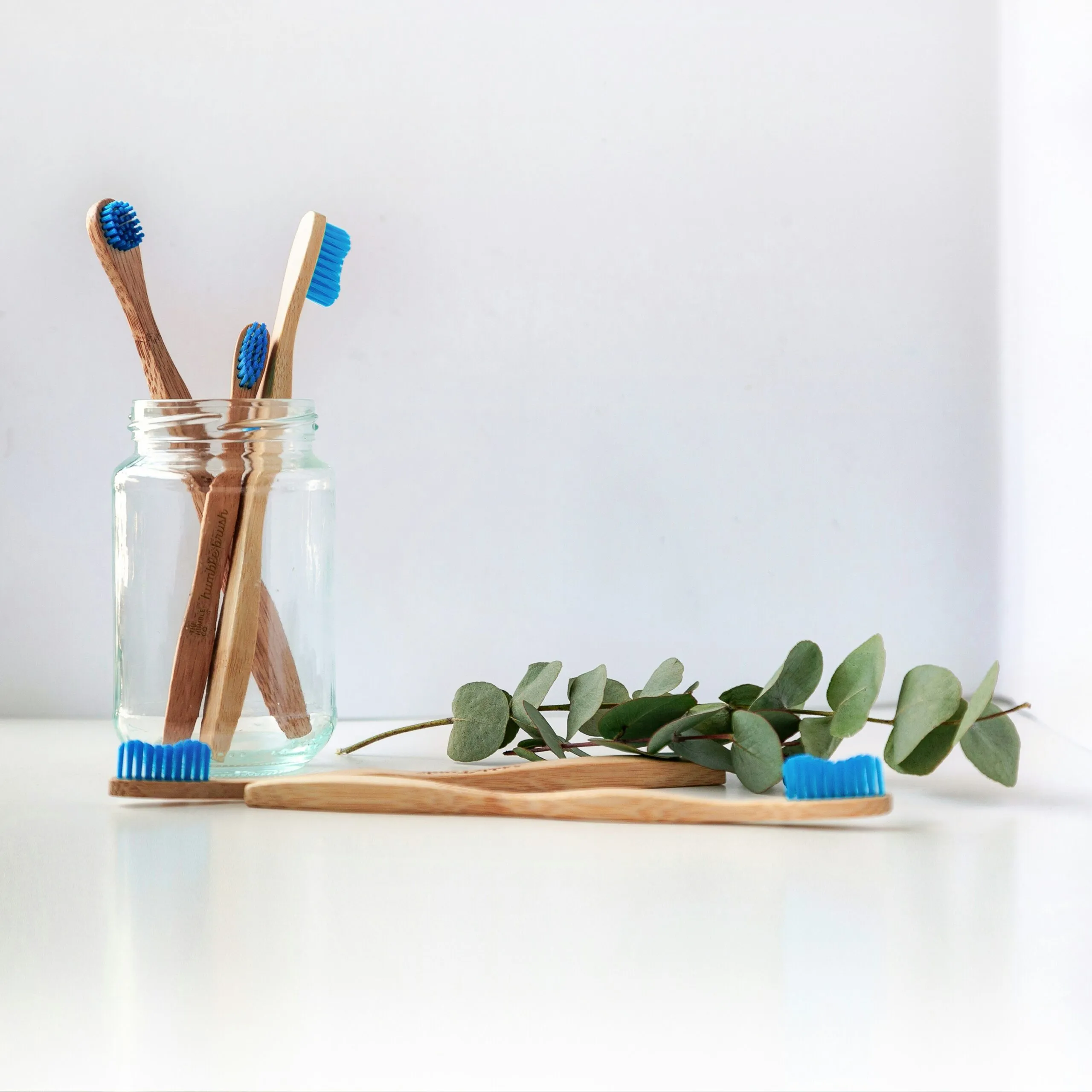
We finish by going through brushing technique. That sounds like a formality, but most people brush quickly and in the same places — which is why tartar keeps coming back to the same two or three spots year after year.
Why prevention matters more than it looks
Periodontal disease — the loss of the tooth’s supporting structure — does not hurt until it is advanced. A tooth only starts to loosen once much of the surrounding bone is gone, and that bone does not come back. Regular removal of deposits is the one thing that reliably slows the process.
Frequently asked questions
How often should I have this done?
Once a year for most patients. Every six months if you smoke, drink a lot of coffee or are simply prone to tartar.
Does scaling damage the enamel?
No. The ultrasonic tip breaks up tartar deposits; it does not remove enamel. The sensitivity people sometimes feel afterwards lasts a day or two and comes from the necks of the teeth, previously covered by tartar, being exposed again.
My gums bleed when I brush. Should I avoid that spot?
The opposite. Bleeding is a sign of inflammation caused by deposits, not a sign that your brush is too rough. That area needs careful but regular brushing — and an appointment.
Not sure what you need? You do not have to be.
Send us a photo and a few words. We will reply with an assessment, a treatment outline and an indicative quote — before you commit to anything.