
Orthodontics
Crooked teeth are not only a question of appearance. Crowded teeth are harder to clean and pick up decay and tartar faster, and an uneven bite wears the enamel unevenly and loads the jaw joint. Treatment works in adults too — bone remodels more slowly, but it remodels.
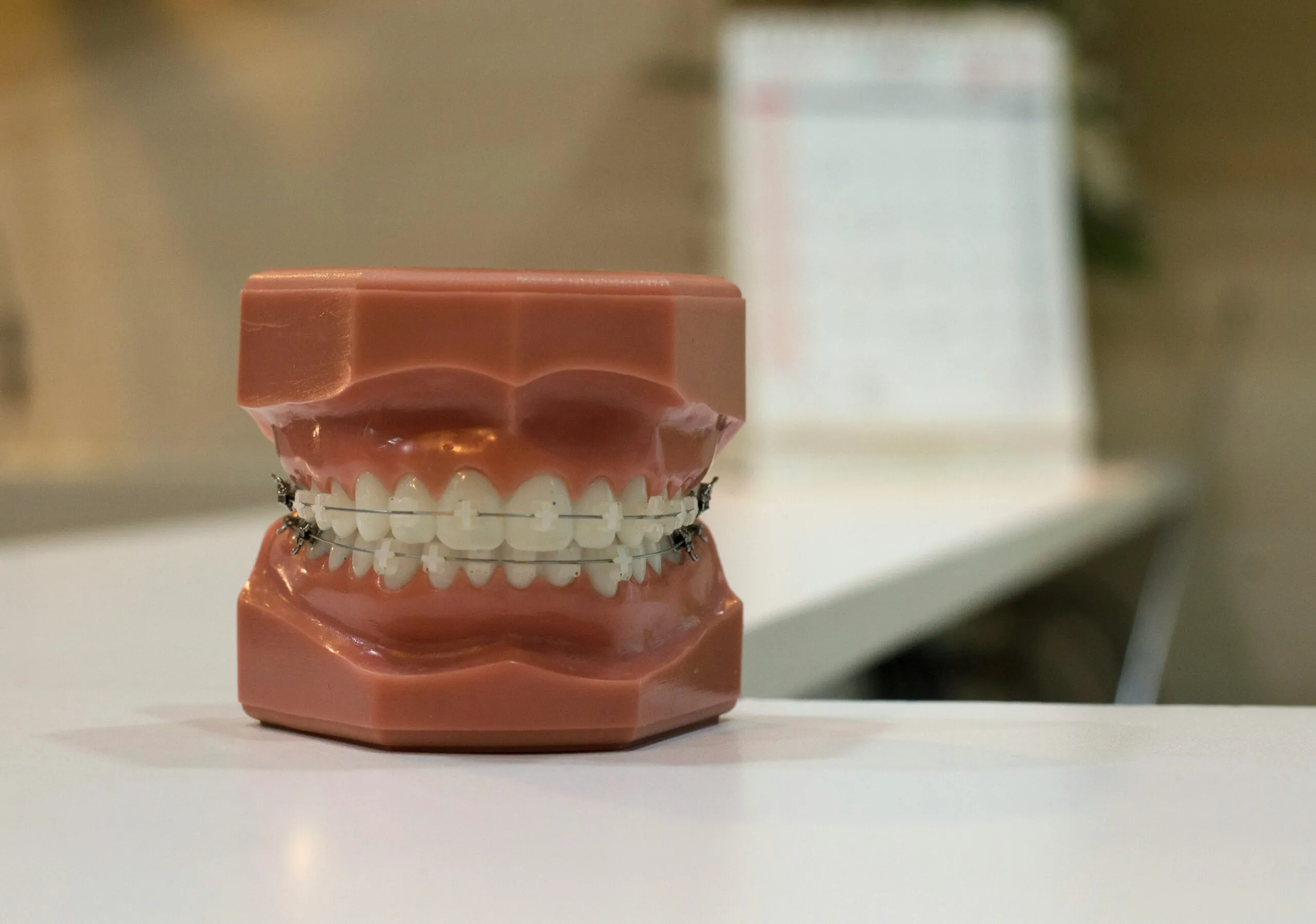
- Fixed braces, metal or aesthetic
- Clear aligners for adults
- Full analysis before treatment starts
- Retention after the braces come off
Worth considering if you have
- overlapping or crowded teeth
- gaps you dislike in photographs
- upper teeth that markedly cover the lower ones, or the reverse
- one tooth wearing faster than the rest
- clicking or tension in the jaw joint
How it starts
The first step is analysis: examination, scan and impressions. These show not only how the teeth sit but whether there is enough room in the arch and how the teeth meet when you bite. Only then do we choose the appliance and set a realistic timeframe.
If you live abroad
Orthodontics is the one treatment that needs regular adjustment appointments, so it suits patients who visit Serbia several times a year. Clear aligners make it more practical — several sets can be handed over at once and progress reviewed remotely between visits. Tell us your travel pattern and we will say honestly whether it is workable.
Frequently asked questions
Am I too old for braces?
No. Teeth move through bone throughout life, so orthodontic treatment works in your forties and fifties. The requirement is not age but healthy gums and adequate bone support, which we assess at the first appointment.
How long does it take?
Six to twelve months for milder cases, eighteen to twenty-four for more complex ones. We give a realistic range only after the analysis, not on first sight.
Aligners or fixed braces?
Aligners are discreet and come out for meals, but they demand discipline — they must be worn twenty-two hours a day. Fixed braces work regardless of your willpower and handle more complex cases. Which is better depends on the findings and on you.
What happens when the braces come off?
Retention. Teeth have a strong tendency to drift back in the first months, so you wear a retainer — a thin wire behind the teeth or a clear night-time aligner. This step is often underestimated, and it is what protects the whole result.
Not sure what you need? You do not have to be.
Send us a photo and a few words. We will reply with an assessment, a treatment outline and an indicative quote — before you commit to anything.